Insights on UK life, policy, energy & the Hong Kong diaspora
WooSee covers UK affairs from a Hongkonger’s perspective — immigration policy, energy markets, infrastructure, technology, and how British life intersects with the diaspora. New analysis published daily.
Topics
UK Affairs · Energy · Explainers · Science & Tech · Infrastructure · HK Affairs
-

Heathrow’s Third Runway: The Case For and Against a Shorter Strip
Heathrow’s third runway, long or short? Behind the length lie trade-offs in cost, capacity, community and time, and the reminder that a runway is only half an airport.
-

The Money Tree That Bills the Treasury
The North Sea’s fiscal return is strikingly small, possibly negative after reliefs, dwarfed by climate costs and beyond the reach of more drilling.
-
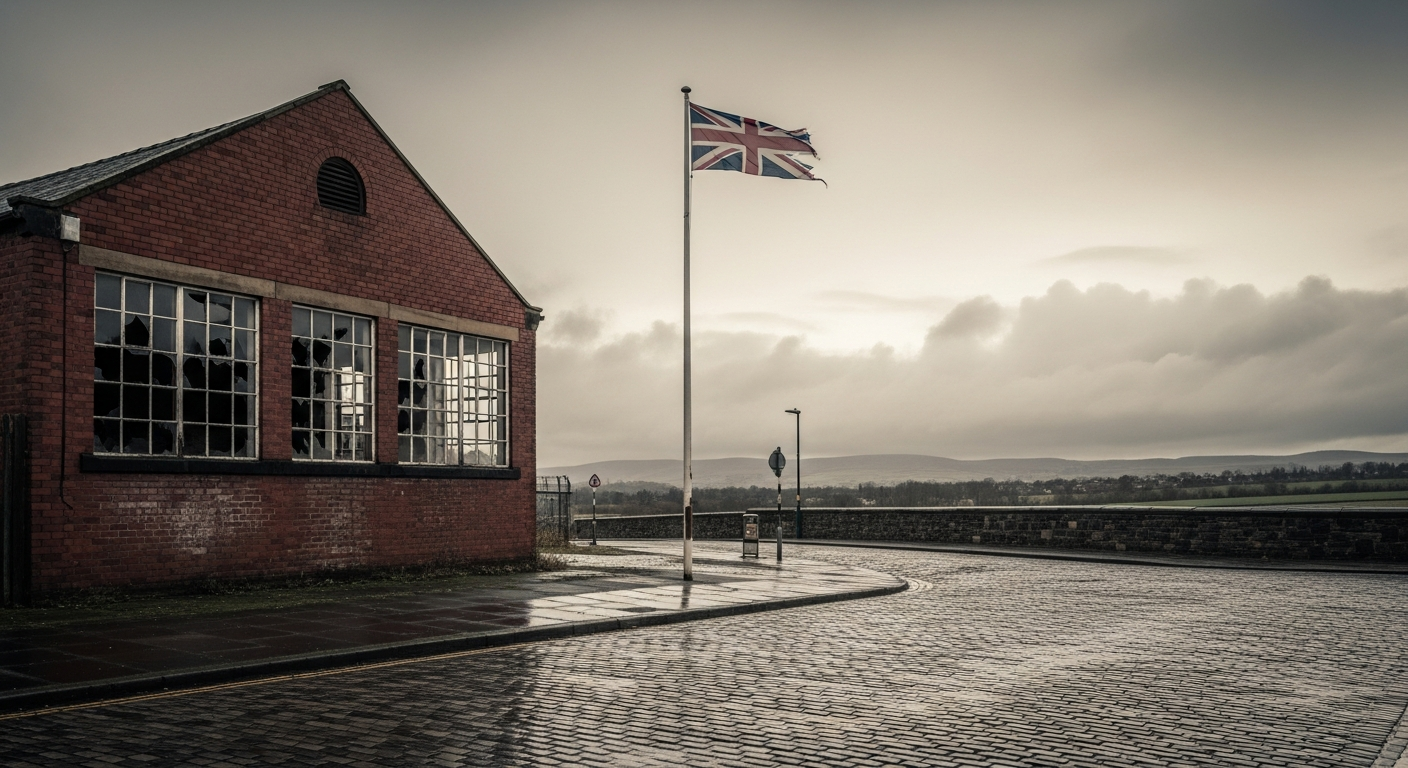
Brexit at Ten: For Whom Was It Done?
A single ballot question collapsed contradictory futures into one word, sold with promises that did not hold. Ten years on, the costs are clear and opinion has turned, leaving one question: for whom was Brexit done?
-

Passport-Free Travel That Can Still Break UK Immigration Law
No checkpoint and no passport, yet crossing into Northern Ireland can still break UK immigration law. Where the Common Travel Area and the ETA collide.
-
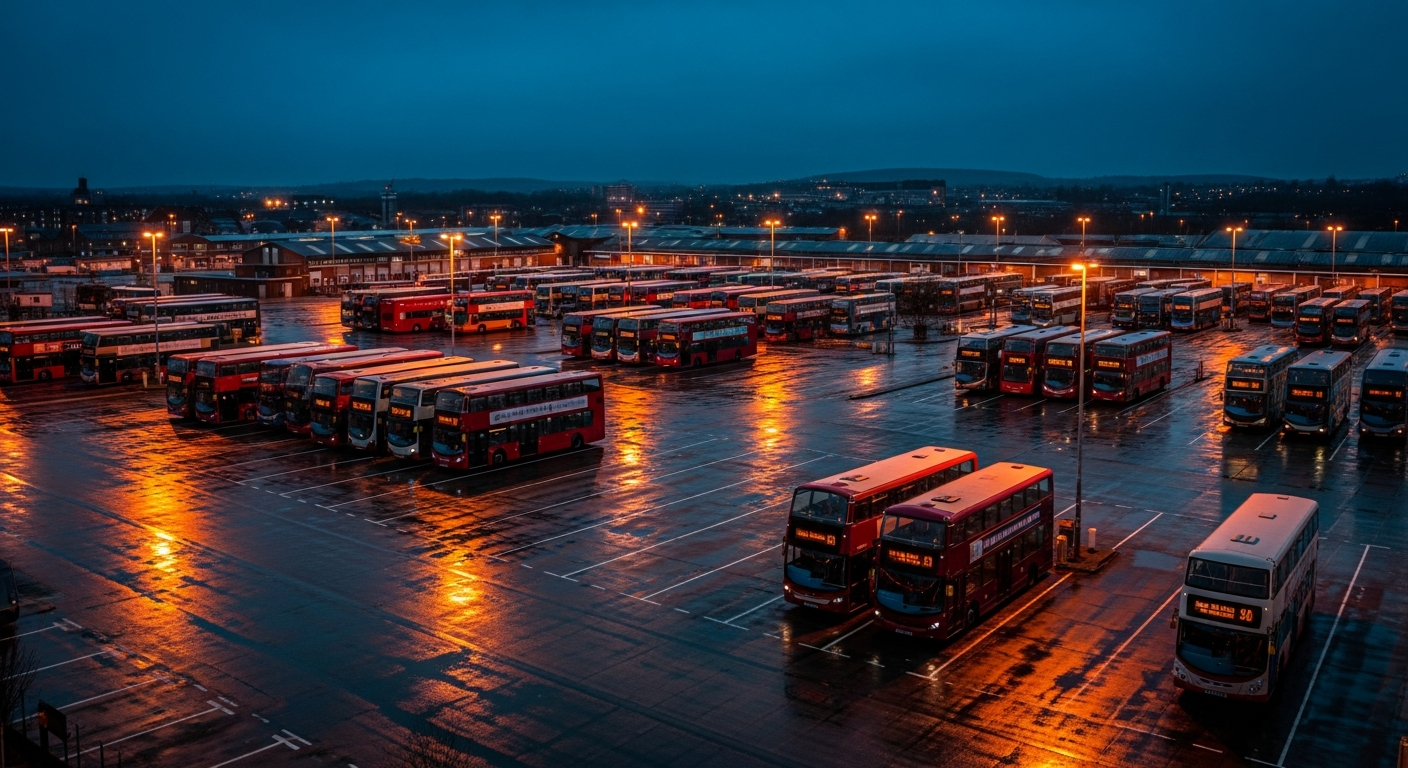
The Same Hand Pays and Collects: Why England’s Free Bus Pass Points Towards Public Buses
Nearly half of Britain’s bus industry income is public money, yet the buses stay private. The disputes over reimbursing operators for free travel are a relic of 1985, and Britain is now taking the buses back.
-
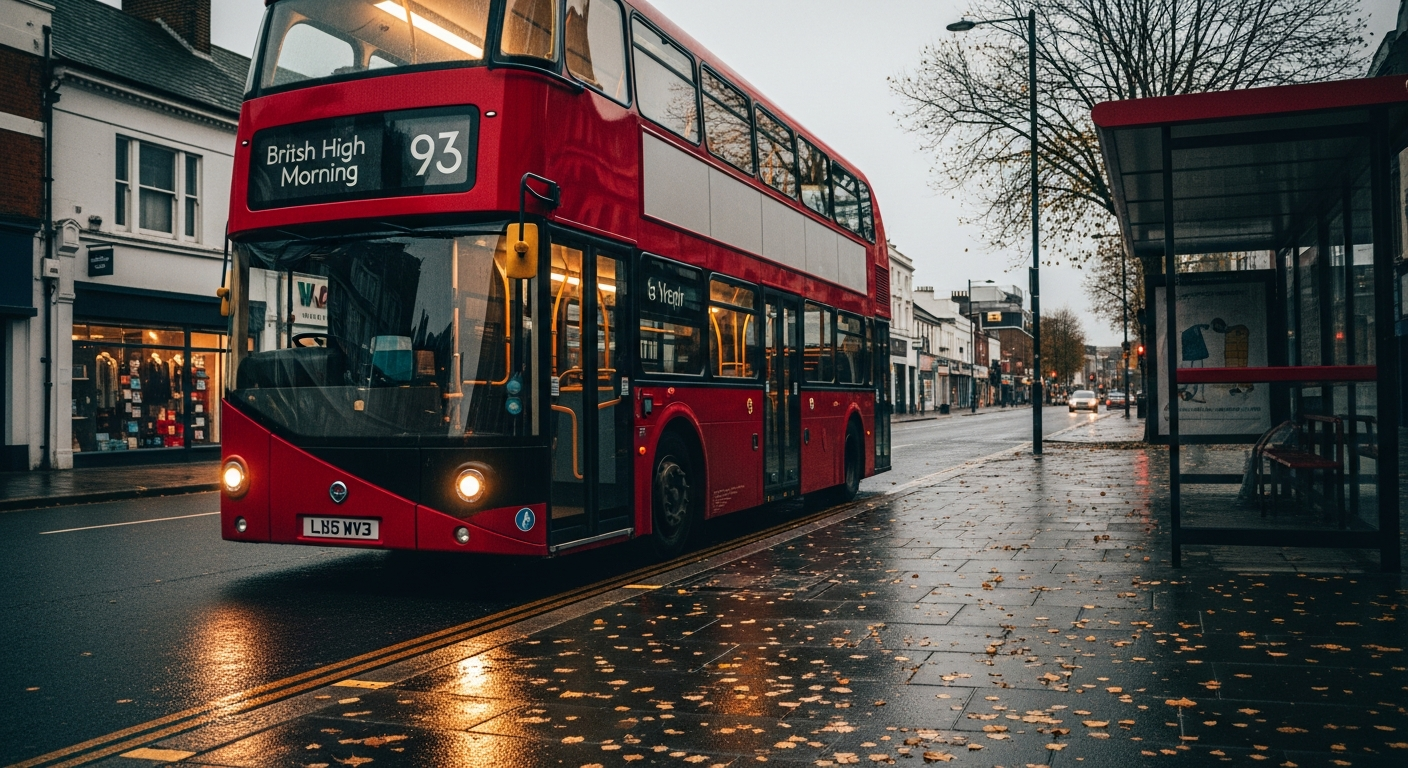
The UK Free Bus Pass Explained: Who Can Get One, When You Can Travel, and Where It Works
A plain guide to the UK free bus pass: who qualifies, when and where it works across the four nations, and why it isn’t a public fund for those on NRPF visas.
-
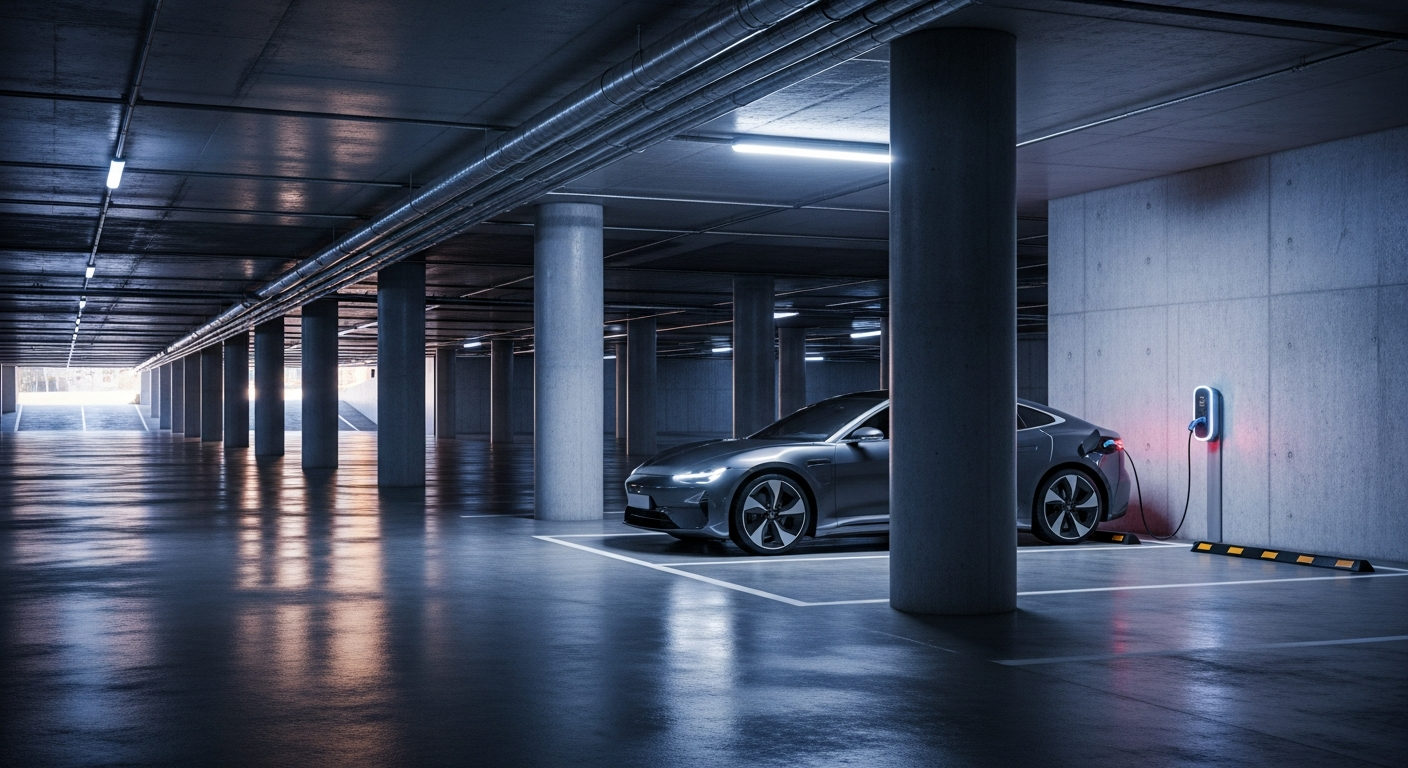
Petrol Cars Are Twenty Times More Likely to Burn Than EVs. The Only Hard Part Is Extinguishing Them, and the Battery Is Already Solving That
A burning EV makes alarming footage, but a petrol car is about twenty times likelier to catch fire. The real challenge is putting it out, and battery chemistry is already designing that difficulty away.
-
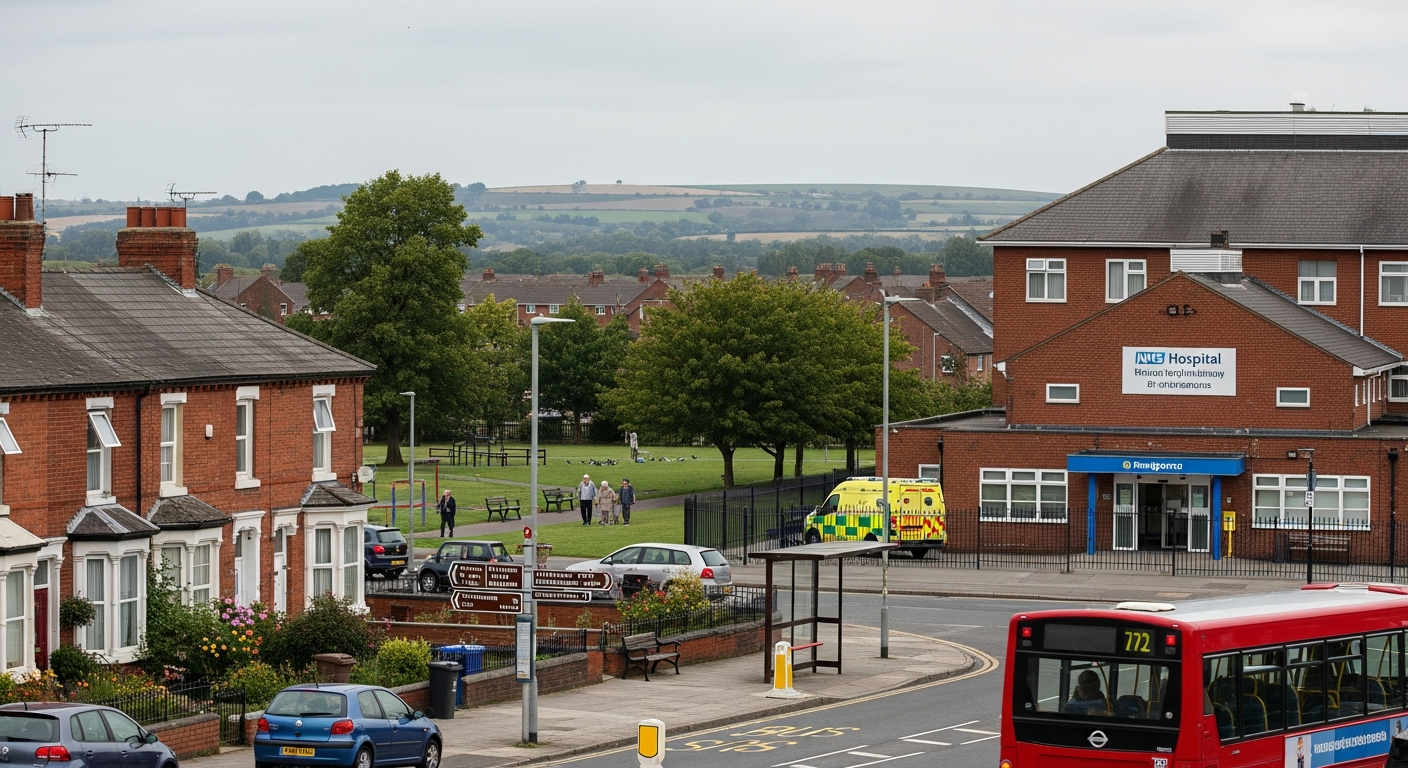
The UK May Be Poorer Than America, Yet Outperforms All 50 States on Social Indicators
If the UK were America’s 51st state, it would likely be the poorest by GDP per capita, yet it would also have the longest life expectancy, the lowest gun death rate and universal healthcare. The comparison reveals not just a wealth gap, but two very different approaches to society.
-
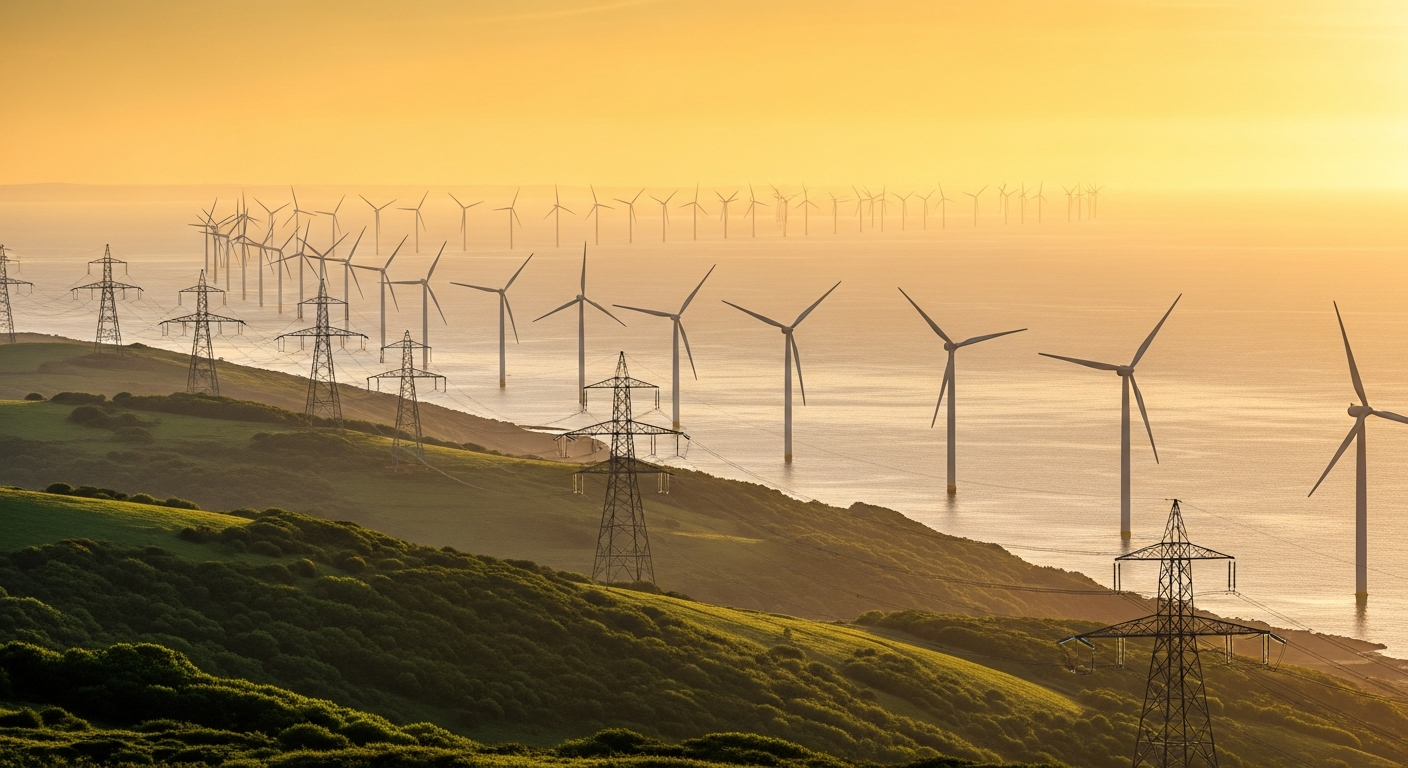
A Middle East spark sets Britain’s gas bills alight but cannot move its electricity
Britain’s July price cap lifts gas bills by 24 per cent but electricity by only 5. The widening crack between the two shows how far the grid has escaped gas, why electrifying now pays, and why loading the rise onto gas restores a more rational basis.
-
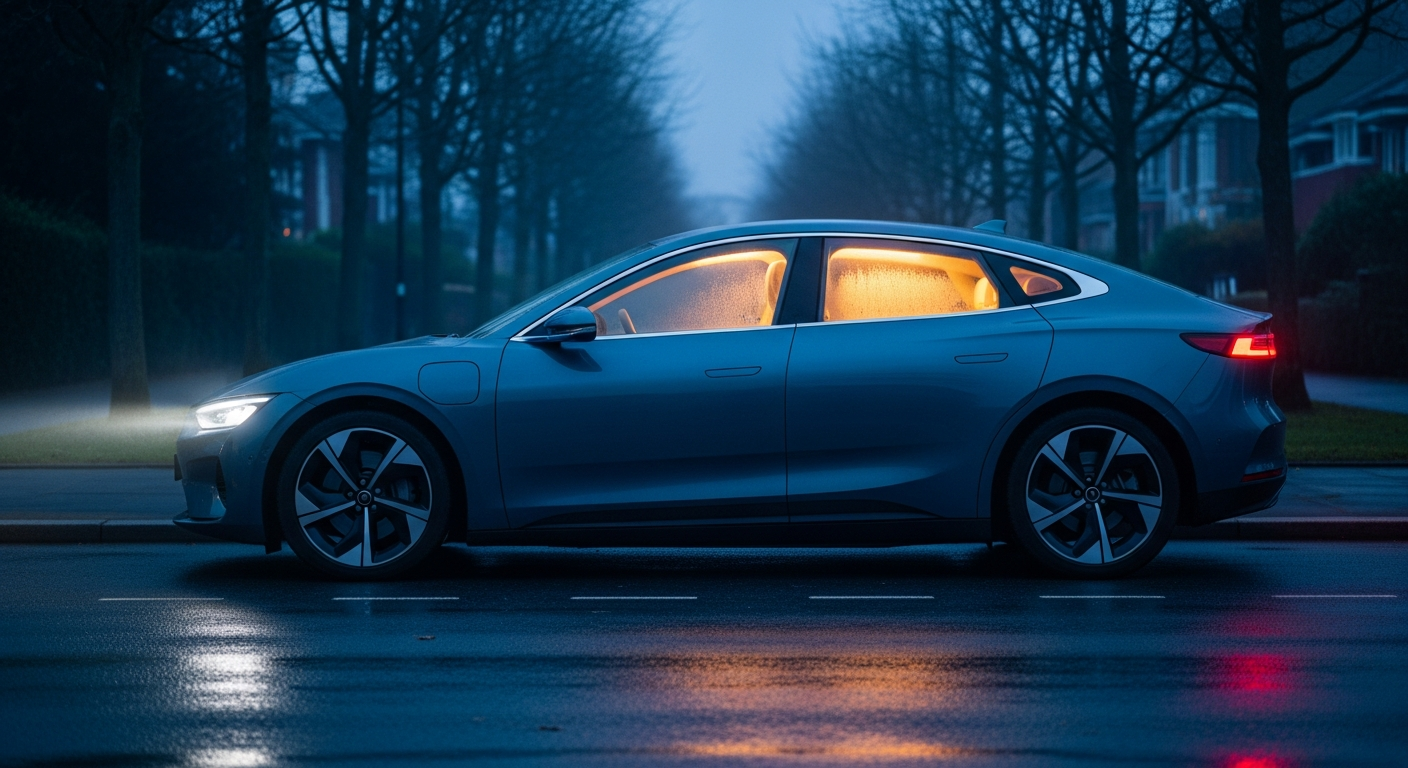
Engine Off, Climate On: The Quiet Legal Edge of a Parked EV
Idling for air conditioning is illegal in Britain and Hong Kong, but a parked EV can cool or heat its cabin freely: the law targets combustion, not comfort. Electrification quietly dissolves the trade-off.